Transform Your Mental Health with Cannabis Wellness

Mental health is a crucial aspect of our overall well-being, yet many people struggle to find effective solutions for their mental health challenges. As the stigma surrounding cannabis continues to fade, more individuals are exploring its potential benefits for mental wellness. This blog post delves into how cannabis can transform mental health, offering insights, practical tips, and personal stories to help you navigate this evolving landscape.
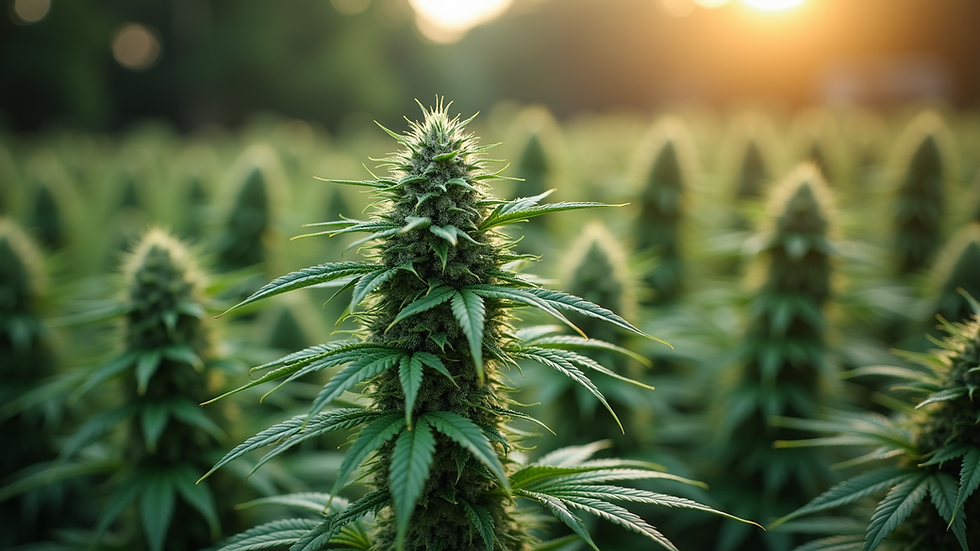
Understanding Cannabis and Its Components
Cannabis is a plant that contains over 100 different compounds known as cannabinoids. The two most well-known cannabinoids are:
Tetrahydrocannabinol (THC): This is the psychoactive component that produces the "high" associated with cannabis use.
Cannabidiol (CBD): Unlike THC, CBD does not produce a high and is often praised for its potential therapeutic benefits.
The Endocannabinoid System
To understand how cannabis affects mental health, it's essential to know about the endocannabinoid system (ECS). The ECS is a complex network of receptors and neurotransmitters that plays a vital role in regulating various bodily functions, including mood, stress response, and emotional regulation.
When cannabinoids like THC and CBD interact with the ECS, they can help restore balance and promote a sense of well-being. This interaction is why many people are turning to cannabis as a natural remedy for mental health issues.
The Potential Benefits of Cannabis for Mental Health
Anxiety Relief
Many individuals report that cannabis helps alleviate symptoms of anxiety. Research suggests that CBD may reduce anxiety by interacting with serotonin receptors in the brain. For example, a study published in the Journal of Psychopharmacology found that CBD significantly reduced anxiety in participants during a public speaking test.
Depression Management
Cannabis may also play a role in managing depression. Some users find that certain strains of cannabis can elevate their mood and provide a sense of relief from depressive symptoms. While more research is needed, anecdotal evidence suggests that cannabis can be a useful tool for those struggling with depression.
Stress Reduction
In our fast-paced world, stress is a common issue that affects mental health. Cannabis has been reported to help users unwind and relax, making it a potential ally in stress management. The calming effects of certain strains can provide a much-needed break from daily pressures.
PTSD Treatment
Post-Traumatic Stress Disorder (PTSD) is a severe mental health condition that can result from traumatic experiences. Some studies indicate that cannabis, particularly CBD, may help reduce the symptoms of PTSD, such as flashbacks and anxiety. Veterans and individuals with trauma histories have shared positive experiences using cannabis as part of their treatment plan.
Choosing the Right Strain for Your Needs
When considering cannabis for mental health, it's essential to choose the right strain. Different strains have varying effects based on their cannabinoid and terpene profiles. Here are some popular strains and their potential benefits:
Indica Strains: Often associated with relaxation and stress relief, indica strains may be beneficial for anxiety and insomnia.
Sativa Strains: These strains are typically uplifting and energizing, making them suitable for those looking to combat depression or fatigue.
Hybrid Strains: Combining elements of both indica and sativa, hybrids can offer a balanced effect, catering to various mental health needs.
Consulting with Professionals
Before incorporating cannabis into your mental health regimen, it's crucial to consult with a healthcare professional. They can provide guidance on dosage, strain selection, and potential interactions with other medications.
Practical Tips for Using Cannabis for Mental Health
Start Low and Go Slow
If you're new to cannabis, it's essential to start with a low dose and gradually increase it as needed. This approach allows you to gauge how your body reacts and helps minimize any adverse effects.
Keep a Journal
Tracking your experiences with cannabis can provide valuable insights into its effects on your mental health. Consider keeping a journal to note your mood, symptoms, and any changes you observe over time.
Combine with Other Therapies
Cannabis can be a complementary tool in your mental health toolkit. Consider combining it with other therapies, such as cognitive-behavioral therapy (CBT) or mindfulness practices, for a more holistic approach.
Personal Stories: Transformative Experiences with Cannabis
Sarah's Journey with Anxiety
Sarah, a 28-year-old graphic designer, struggled with anxiety for years. After trying various medications with limited success, she decided to explore cannabis. With the guidance of a knowledgeable dispensary staff member, she found a CBD-dominant strain that helped her manage her anxiety without the psychoactive effects of THC. Sarah reports feeling more relaxed and focused, allowing her to enjoy life without the constant weight of anxiety.
Mark's Battle with PTSD
Mark, a military veteran, faced severe PTSD after returning from deployment. Traditional treatments were not effective for him, leading him to seek alternative options. After researching cannabis, he began using a hybrid strain that provided relief from his symptoms. Mark found that cannabis helped him manage flashbacks and sleep better, significantly improving his quality of life.
Legal Considerations and Responsible Use
As cannabis becomes more widely accepted, it's essential to understand the legal landscape in your area. Laws regarding cannabis use vary significantly, so be sure to familiarize yourself with local regulations.
Responsible Use
Using cannabis responsibly is crucial for maximizing its benefits while minimizing potential risks. Here are some guidelines to follow:
Educate Yourself: Understand the different strains, methods of consumption, and potential effects.
Avoid Mixing Substances: Combining cannabis with alcohol or other drugs can lead to unpredictable effects.
Be Mindful of Your Environment: Use cannabis in a safe and comfortable setting, especially if you're new to it.
Conclusion: Embracing Cannabis for Mental Wellness
Cannabis has the potential to transform mental health for many individuals, offering relief from anxiety, depression, stress, and PTSD. By understanding its components, choosing the right strains, and using it responsibly, you can harness the benefits of cannabis to enhance your mental well-being.
As you explore this journey, remember that everyone's experience with cannabis is unique. Stay informed, consult with professionals, and prioritize your mental health. The path to wellness is personal, and cannabis may just be the tool you need to find your balance.


Comments